

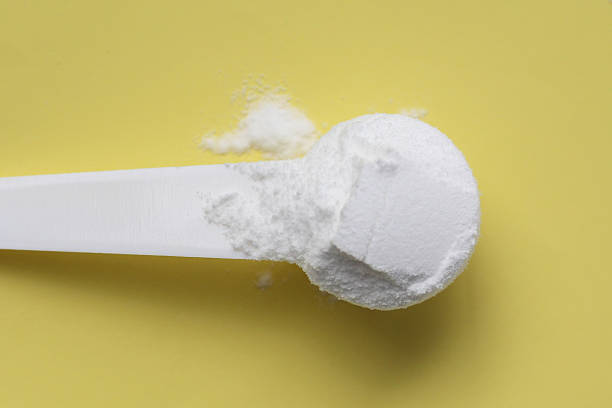
A scoop buried at the bottom of a powder tub is a small problem, but it can become a daily annoyance. The label gives a serving size, while the person preparing a drink must find the scoop and decide whether the powder is level. Pre-measured portions address that handling problem without changing the basic purpose of creatine.
Separate the dose from the packaging
Creatine monohydrate is widely studied for its role in supporting performance during repeated high-intensity exercise. Researchers commonly discuss adult maintenance intake in the range of three to five grams daily. The amount required by any individual is not determined by a packet’s shape, however, and health circumstances may require professional advice.
The central advantage of creatine monohydrate sachets is that the producer has already portioned the powder. Instead of measuring the quantity each morning, the user opens one unit and follows the instructions. That reduces routine measuring decisions, although the labelled serving still needs to be checked carefully.
Understand what a serving contains
A sachet’s total powder weight may not match its creatine content if the formula includes flavourings, sweeteners or other ingredients. The ingredient list and nutrition information should make the distinction clear. Some people prefer a single-ingredient formula; others value a flavoured option they can mix with water.
Pre-portioned does not mean personalised. A packet cannot know someone’s medical history, training level or preferences. It is also important not to assume that using two packets will produce twice the benefit. Creatine stores build over time, and more is not automatically better.
Remove one step from busy mornings
A fixed portion may be useful for someone who prepares breakfast at different times each day. They can keep the pack with other daily items and avoid weighing or scooping powder. This is a convenience benefit, not evidence that sachets produce better athletic results than the same ingredient taken from a tub.
A simple routine helps: choose a repeatable point in the day, have a suitable drink available and check off the serving once taken. If someone misses a day, there is no reason to improvise a large replacement dose without appropriate guidance. Regularity matters more than trying to make each day perfect.
Compare cost and waste honestly
Convenience has trade-offs. Individual portions can create more packaging than one large container and may cost more per gram. They may also make it easier to carry a few servings in a gym bag without exposing a whole tub to repeated opening. Which format is preferable depends on budget, storage space and personal priorities.
Buyers should compare cost using the actual creatine supplied, not merely the number of packets. Labels should also offer storage instructions, batch details and a clear expiry date. A credible brand can explain ingredient identity and any testing claims.
Keep expectations realistic
Creatine monohydrate sachets will not compensate for inconsistent exercise, poor sleep or inadequate food. They simply make one small part of a chosen routine more predictable. The potential benefits associated with creatine still depend on the ingredient, the user’s circumstances and how it fits with training.
People with kidney conditions, those who are pregnant or breastfeeding, or anyone unsure about supplement interactions should seek individual professional advice. An easy-open pack does not remove the need to consider suitability.
A buyer can compare the declared ingredient against the manufacturer’s specification and look for meaningful testing information if it is supplied. The same care is sensible when changing brands, because one portion may differ in ingredients or quantity from another. With creatine monohydrate sachets, measurement becomes simpler only when the printed serving information is accurate, easy to find and understood by the person using the product.
For users who have decided creatine is appropriate, creatine monohydrate sachets make the quantity easier to manage and the remaining supply easier to count. The most useful result is less time spent measuring and more clarity about what has actually been taken.